
Blog
The Truth About Cigar Cellophane: Should You Keep It On or Take It Off?

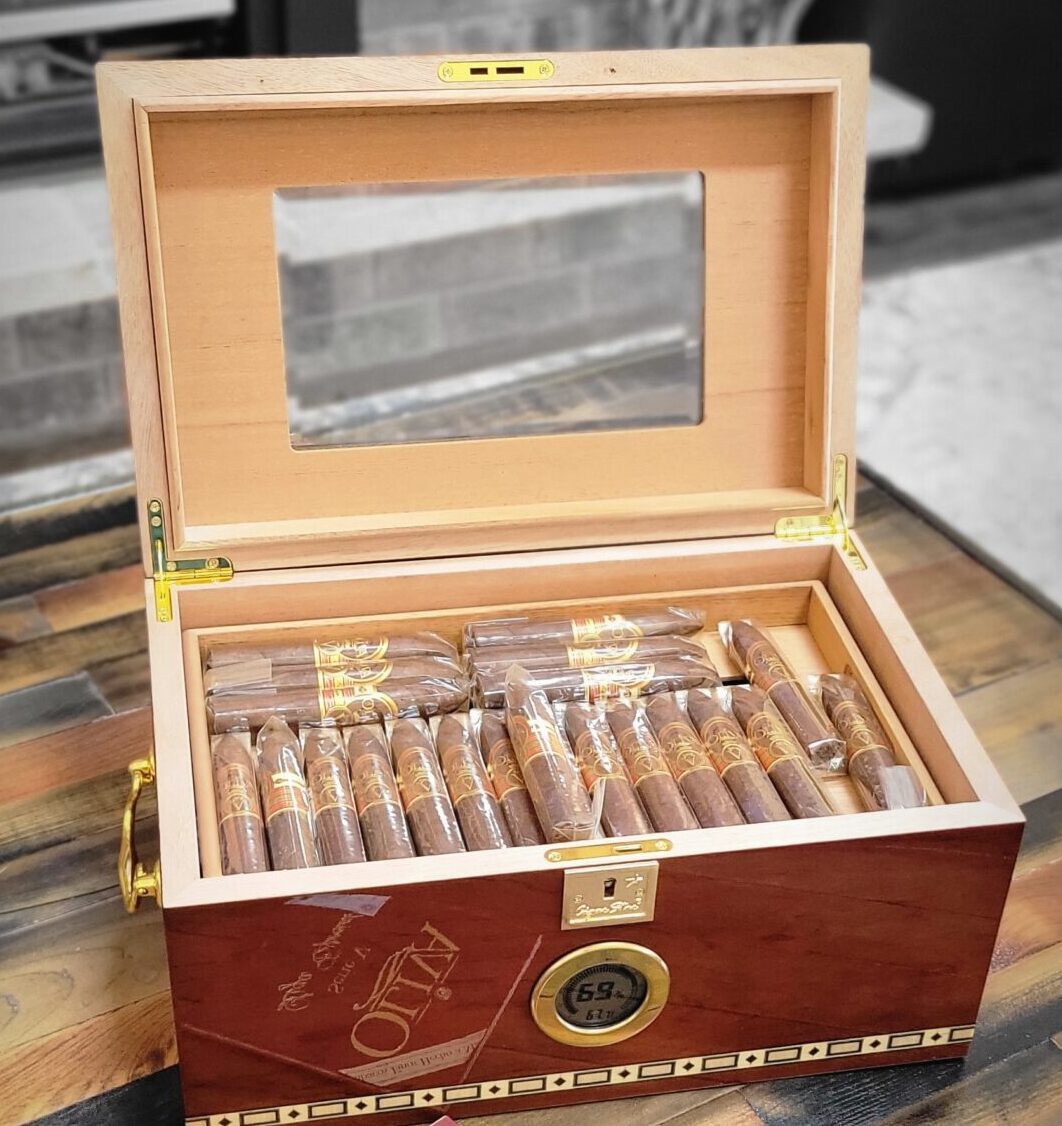
Cigar Cellophane
If there’s one debate that never dies in the cigar world, it’s this one: cellophane on or cellophane off? I swear, you could put two cigar smokers in a room, ask this question, and suddenly you’ve got a full-blown presidential debate… minus the podiums and plus a cloud of smoke.
So what’s the truth? Is one way actually better?
Let’s break it down without the drama.
Why Cellophane Exists in the First Place
Cellophane isn’t just some fancy wrapper. It’s a plant-based, breathable material designed to protect cigars from physical damage while still allowing slow airflow. That means your cigars don’t suffocate — they simply stay safer when stored next to other sticks.
If you’ve ever opened your humidor and found two darker cigars rubbing their oily wrappers all over your lighter Connecticut… you know why this matters.
Team “Leave It On” — Their Argument
Many cigar smokers prefer leaving the cello on for a few solid reasons:
✔ Protection from dents, scratches, and wrapper cuts
✔ Slower humidity fluctuations
✔ Better for travel cases
✔ Ideal for long-term storage to prevent cigars from marrying too aggressively
This is especially useful if you’re storing cigars in a busy humidor or traveling with your precious sticks in a leather case. (By the way, this is exactly why our Cigar Star full-grain leather cases are designed with snug, protective tubes.)
Team “Take It Off” — Their Argument
Then there’s the other side — the purists.
They’ll tell you cigars should “breathe,” that oils should mingle, and that cigars age better without cello. And there’s truth here too:
✔ Cigars age slightly faster without cello
✔ Flavors marry more easily in the humidor
✔ Better for short-term or medium-term aging projects
If you like all your cigars to share flavor characteristics over time, removing the cello does speed up this process.
So… Which One Is Correct?
Here’s the real talk: both are right, depending on how you store your cigars.
For long-term aging: Leave the cello on.
For short-term smoking (under 6 months): Remove it if you like flavor marrying.
If you travel often: Keep it on — protect those wrappers.
If you rotate cigars a lot: Cello prevents rubbing damage.
And no matter which side you fall on, a proper storage setup matters far more than cello ever will. Use Spanish cedar dividers, airflow trays, and Boveda holders to keep humidity stable and allow your cigars to age correctly.
Cello or not — if your humidor is dialed in, you’re golden.