
Blog
Aged Or Mouldy cigars?

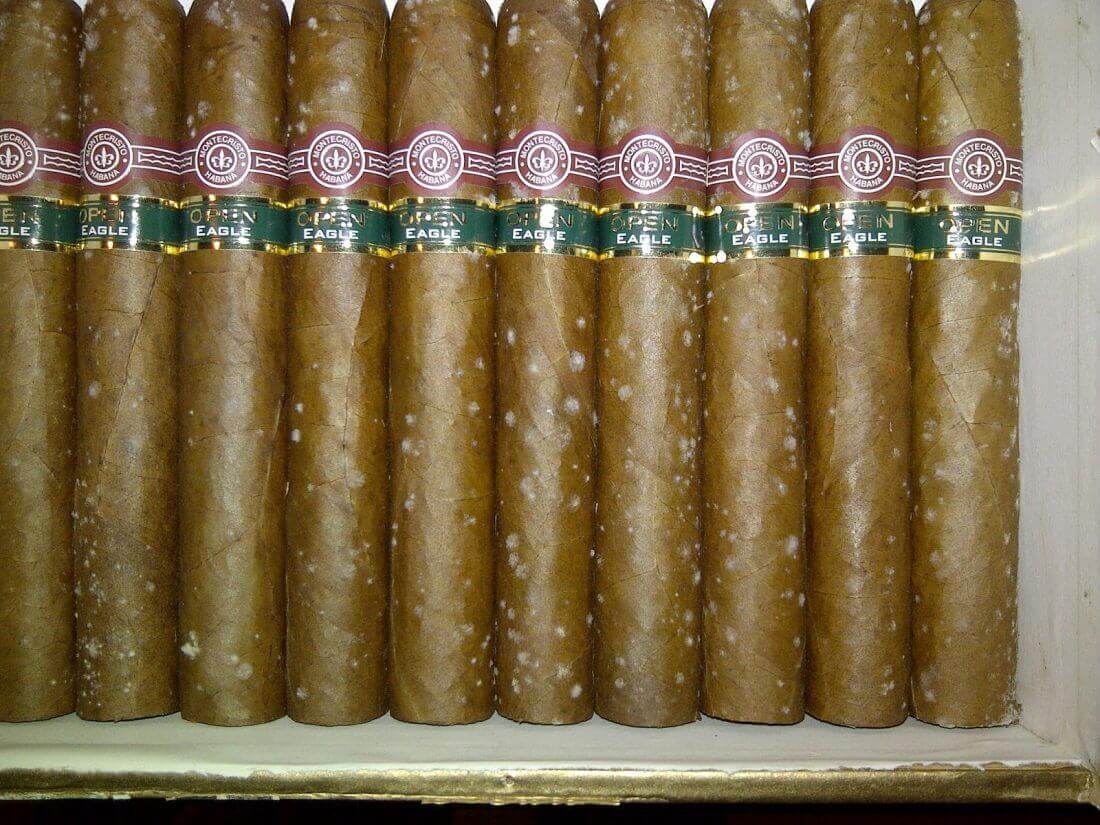
Mold vs Plume on Cigars: How to Tell the Difference
Few things make a cigar smoker’s heart sink faster than opening a humidor and seeing white spots on their cigars. The first thought is usually: “Are my cigars ruined?”
But here’s the surprising truth — not all white spots are bad.
In fact, some of the most well-aged premium cigars develop a natural phenomenon known as plume, sometimes called bloom. This harmless crystallization can actually indicate a well-aged cigar.
The challenge for cigar smokers is learning how to tell the difference between harmless plume and dangerous mold. Knowing the difference can save your cigars, protect your humidor, and prevent unnecessary panic.
In this guide, we’ll break down what plume is, what mold looks like, how to identify the difference, and what to do if mold appears in your humidor.
What Is Plume on Cigars?
Plume (or bloom) is a natural crystallization of oils that rise to the surface of a cigar wrapper during the aging process.
As tobacco ages, essential oils slowly migrate through the leaf. Over time, these oils can form tiny crystals on the outside of the cigar. This appears as a fine, dusty white coating on the wrapper.
Many experienced cigar smokers actually view plume as a sign that a cigar has been properly aged and stored.
However, plume is relatively rare and often misunderstood. Many smokers confuse it with mold because both appear as white substances on the cigar wrapper.
Understanding the visual differences is key.
What Mold on Cigars Looks Like
Mold is a fungus that thrives in high humidity and poor airflow. Unlike plume, mold can damage cigars and spread throughout your humidor if left untreated.
Mold usually appears as:
• Fuzzy white patches
• Blue or green spots
• Thick powdery clusters
• Growth that spreads over time
Mold can grow on:
-
The cigar wrapper
-
The foot of the cigar
-
Inside the humidor itself
-
On cedar trays or dividers
If mold appears, it needs to be addressed quickly to protect the rest of your cigar collection.
The 5 Key Differences Between Mold and Plume
Understanding these differences will help you instantly identify what you’re dealing with.
1. Texture
Plume:
Fine, powder-like crystals. It looks almost like a dusting of powdered sugar.
Mold:
Fuzzy, hairy, or thick growth. Mold has a soft, raised texture.
A simple test is to gently rub the spot with your finger.
-
Plume wipes away easily.
-
Mold often smears or leaves a stain.
2. Color
Plume:
Bright white or light gray.
Mold:
Can be white, green, blue, or even black.
If you see colored spots, it’s almost certainly mold.
3. Pattern
Plume:
Evenly distributed light dusting.
Mold:
Random clusters or circular colonies that spread outward.
4. Location
Plume:
Usually appears only on the wrapper leaf.
Mold:
Can appear anywhere including:
-
Foot of the cigar
-
Binder
-
Humidor interior
-
Cedar trays
If mold appears on multiple surfaces, it’s a clear warning sign.
5. Smell
Plume:
The cigar smells normal — earthy, rich, and pleasant.
Mold:
Often produces a musty or mildew smell.
If your humidor smells damp or sour, mold may be present.
What Causes Mold in a Humidor?
Mold typically forms when humidity levels get too high.
The ideal humidity range for most cigars is between 65% and 69% relative humidity.
When humidity rises above 72–75%, the risk of mold increases significantly.
Common causes include:
-
Over-humidifying
-
Too many humidity packs
-
Poor airflow inside the humidor
-
Storing cigars too tightly
-
Excess moisture during humidor seasoning
Maintaining proper humidity and airflow is the best defense against mold.
What to Do If You Find Mold
If you discover mold, act quickly but calmly.
Step 1: Remove the Affected Cigars
Take out any cigars showing mold and separate them from the rest of your collection.
Severely moldy cigars should be discarded.
Step 2: Inspect the Entire Humidor
Check:
-
Other cigars
-
Cedar trays
-
Dividers
-
Humidifiers
-
Interior corners
Mold spores can spread if left untreated.
Step 3: Clean the Humidor
If mold is present inside the humidor, gently wipe affected areas with isopropyl alcohol and allow the humidor to fully air dry.
This kills mold spores and prevents regrowth.
Step 4: Adjust Humidity Levels
Lower humidity to around 65–68% temporarily while monitoring your cigars.
Proper humidity balance is the key to long-term storage success.
How to Prevent Mold in the Future
Prevention is much easier than fixing a mold problem.
Here are a few best practices.
Maintain Stable Humidity
Avoid large humidity swings. Consistency is more important than chasing an exact number.
Allow Airflow
Cigars should not be packed tightly together. Air needs to circulate throughout the humidor.
Using cedar trays or dividers can help distribute humidity evenly.
Monitor Your Hygrometer
A reliable hygrometer allows you to track humidity levels and catch problems early.
Avoid Over-Humidifying
Adding too many humidity sources can push humidity too high.
Balance is essential.
The Bottom Line
Seeing white spots on your cigars can be alarming, but it doesn’t always mean disaster. In many cases, it may simply be plume — a natural result of well-aged tobacco.
Learning to recognize the differences between plume and mold helps protect your cigars and your humidor.
With proper humidity control, good airflow, and careful monitoring, your cigar collection can remain in perfect condition for years.
And when your cigars are stored correctly, they reward you with the smooth burn, rich aroma, and complex flavors that make cigar smoking such an enjoyable ritual.
Related Posts
CIGARS, CHOOSING THE RIGHT CIGAR MADE EASY IN 5 STEPS


CIGAR & CIGARS Prices In Canada
Cigars – 6 Tips On Choosing The Right Cigar Humidor

Canadian Cigar Star has been providing fine quality cigar accessories and humidors for 14 years.

Our Ultimate Golfer 150 Cigar Humidor
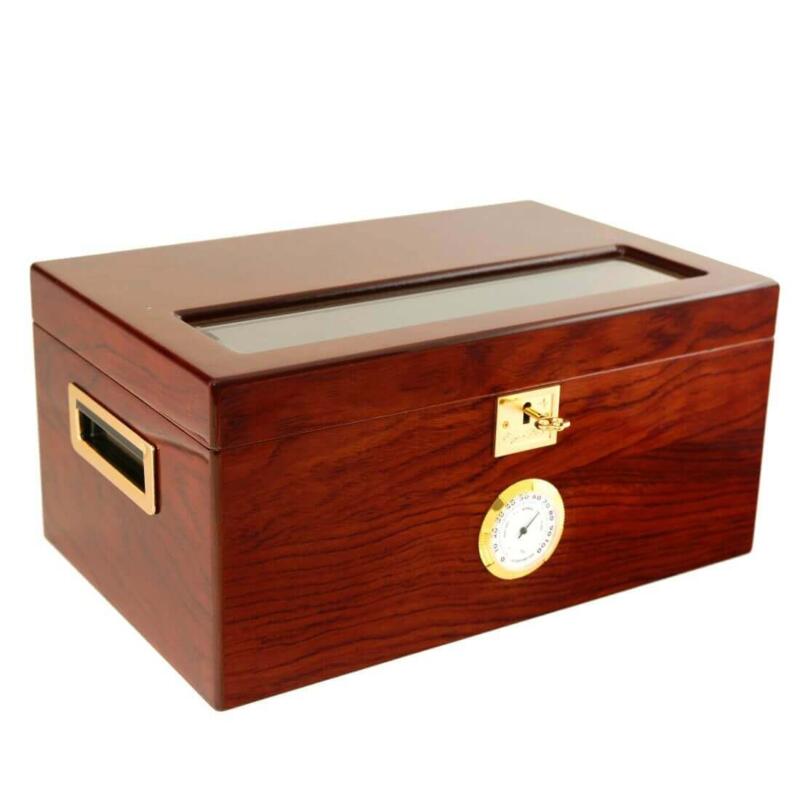
150 Cigar Humidor Lexington Made using wonderful Bubinga
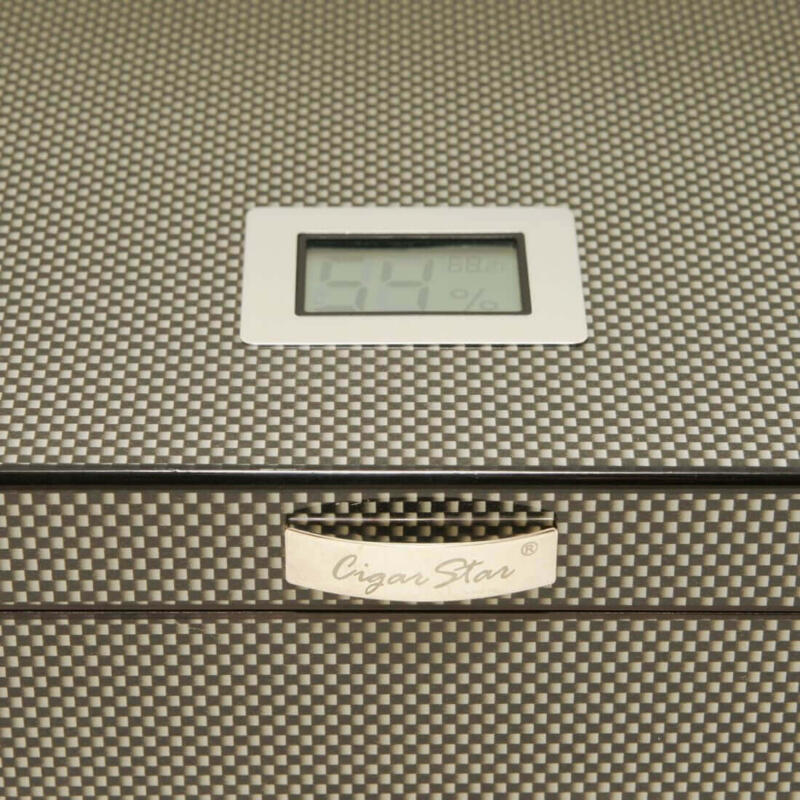
Carbon Fiber Humidor New and Improved
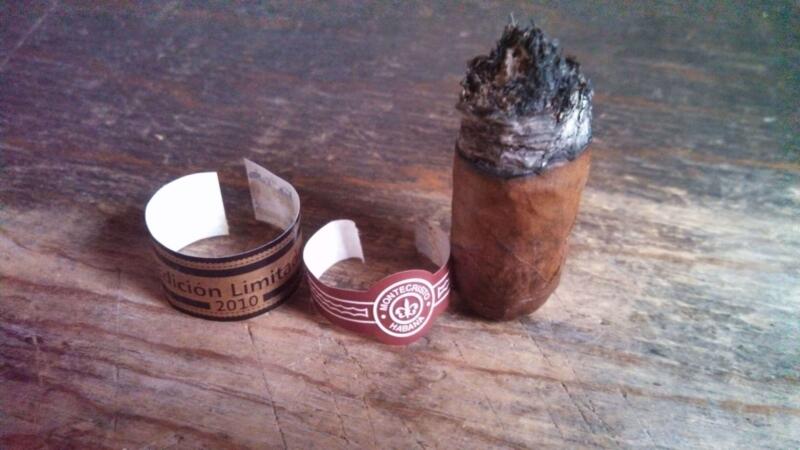
3 year old Montecristo Limited Edition
Do cigars get better with age
One thought on “Aged Or Mouldy cigars?”
Comments are closed.
That answer had to come from a politician. An answer without and answer. I assume its natural but i didnt see where it is good or bad. It also stated it was kept in a Cigar star humidor. Smoke them or toss em?
Thanks, Robert